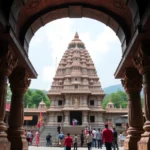


Discover the Six Sacred Abodes of Lord Murugan – The Arupadai Murugan Temples of Tamil Nadu
Welcome to Darshan Arupadai Veedu Six Murugan Temples in Tamilnadu
Tamil Nadu, often hailed as the spiritual heartland of South India, is home to countless ancient temples, each steeped in history, mythology, and profound devotion. Among these sacred sites, the Arupadai Veedu – the six abodes of Lord Murugan – hold a uniquely revered position. These six temples are not merely architectural marvels but are considered pivotal centers of spiritual energy, deeply woven into the cultural and religious fabric of the Tamil people.
This post embarks on a spiritual journey to explore these magnificent shrines. We will delve into the individual significance of each Arupadai Murugan temple – Palani, Swamimalai, Tiruchendur, Tirupparankundram, Tiruttani, and Pazhamudircholai – uncovering their rich mythological narratives, distinctive architectural styles, and the unique spiritual experiences they offer. Join us as we uncover the timeless allure and enduring legacy of these hallowed abodes of Lord Murugan.
- Arupadai – Tamil for six (aṟu) plus places (paṭai).
- Murugan – The Hindu god of war, youth, and wisdom, also known as Skanda, Subrahmanya, Kartikeya, and in Tamil tradition, the beloved “Kaumaram”.
The term Arupadai Murugan therefore designates the six sacred abodes where Murugan is believed to have manifested his divine powers during various mythic episodes. Together they chart a spiritual map of the deity’s journey—from his heroic birth to his ultimate triumph over the demon Surapadma.
Arupadai Murugan refers to the six sacred temples dedicated to Lord Murugan, also known as Kartikeya or Subrahmanya. The term “Arupadai” means “six abodes” in Tamil, and these temples are considered the most sacred and powerful destinations for Murugan devotees. The six temples are:
- Tirupparamkunram Murugan Temple: Located in Madurai, this temple is considered the first and most important of the Arupadai Murugan temples.
- Tiruchendur Murugan Temple: Situated in Tuticorin, this temple is famous for its stunning beachside location and beautiful architecture.
- Palani Murugan Temple: Located in Dindigul, this temple is one of the most popular and wealthiest temples in Tamil Nadu.
- Swamimalai Murugan Temple: Situated in Kumbakonam, this temple is known for its stunning architecture and intricate carvings.
- Tiruttani Murugan Temple: Located in Tiruvallur, this temple is famous for its beautiful hilltop location and stunning views.
- Pazhamudircholai Murugan Temple: Situated in Madurai, this temple is known for its serene and peaceful atmosphere.
Mythic Backdrop
According to the Skanda Purana, after Murugan’s birth on Shiva’s mount Mount Meru, Parvati crafted the divine spear – the Vel – to help her son defeat the tyrant Surapadma. This powerful weapon was consecrated at Thirupparamkunram.
What to Experience
- The Giant Gopuram: At 60 m tall, it dominates the skyline and is decorated with intricate sculptures of Murugan’s battles.
- Morning Pooja (6–7 am): The fragrance of incense and the resonant nadaswaram will instantly transport you to an age-old ritual.
- Annual Aadi Festival: Thousands of devotees carry kavadi (ornate wooden arches) in a vibrant procession that lasts three days.
Practical Tip
Parking is limited. Arrive early or use the auto‑rickshaw stand just outside the entrance. Carry a bottle of water—temperatures can soar above 40 °C in summer.
Legend in a Leaf
Murugan’s encounter with the tribal princess Valli is celebrated here. After a playful chase, the god wins her heart, cementing his role as both a warrior and a lover.
Highlight
- Staircase of 1,100 Steps: The ascent offers sweeping views of the Chennai‑Bangalore plains.
- **Evening Utsavam: ** The temple’s sacred lamp is lit exactly at sunset, creating a golden halo around the hilltop sanctum.
Travel Insight
The hill is reachable by a short private bus from Thiruthani railway station (10 min). For the less adventurous, a rope‑way is being constructed (expected 2027), promising a scenic glide.
Why Palani Stands Out
Murugan, after his victorious war, chooses to become a hermit. He sits atop a massive boulder—Sarabhootham—which is still worshipped today. The devotion here is unique: many pilgrims carry kavadi atop the hill, a test of endurance and surrender.
Must‑Do
- Witness the Muthu Pooja (Pearl Offering): Conducted thrice daily, the deity is adorned with pearls, gold, and sandalwood paste.
- Night Bazaar: Taste muttu (sweet jaggery sweets) and palaputtu (a local sweet made of rice flour) while watching street performers.
- Palani Hills Trek: A 4‑hour trek from the town provides glimpses of the Kurinji (strobilanthes) flowers that bloom once every twelve years.
Insider’s Advice
If you’re visiting during the Panguni Uthiram festival (April), expect massive crowds—book a stay in advance and use the Palani Express (a special train from Madurai).
The Sacred Dialogue
Here, Murugan returns to his father, Shiva, and teaches him the secret mantra “Om Namah Shivaya”. In gratitude, Shiva bestows him the Shakti of knowledge, turning the hill into a seat of learning.
Highlights
- Sculptor’s Lane: The town is famous for its sandalwood and bronze artisans. You can watch a master carver shape a Murugan statue in real time.
- Swami Muni Mutt: A monastery that offers vedic chanting classes—join for a free session.
How to Get There
Swamimalai lies just 5 km from Kumbakonam. Local buses (route 4A) run every 30 minutes. Bicycles are a popular way to explore the surrounding countryside.
The Climactic Battle
The demon Surapadma attempts to hide in the jungle of Parankundram. Murugan’s Vel pierces the demon’s shield, ending the war. Legends say the footprints of the god remain in the stone—an awe‑inspiring sight for pilgrims.
Must‑See
- Rock‑Cut Sanctum: Carved directly into the granite hill, it’s a masterpiece of early Dravidian architecture (7th‑8th century CE).
- Annual Surapadham Festival (December): Re‑enactments of the battle using dramatic fire torches.
Visitor Tip
Dress modestly; the inner sanctum is a no‑photo zone. Use the provided prasad boxes to receive mango sweets—traditionally offered after the battle.
The Untamed Sanctuary
Set in the dense Western Ghats near Kodaikanal, this temple is enveloped by towering shola forests and coffee plantations. The deity here is represented as Velayudhaswami, adorned with a golden crown.
Highlights
- Forest Walks: Guided treks lead to rare orchids and the sacred Tulsi grove—believed to be Murugan’s own plant.
- Mango Harvest Festival (May): Devotees bring freshly plucked mangoes as naivedyam.
- Narrative Unity – Each temple marks a milestone in Murugan’s mythic saga, creating a story‑arc that mirrors the human journey: birth, learning, love, battle, retreat, and triumph.
- Geographical Diversity – From coastal plains to mist‑shrouded hills, the pilgrimage showcases Tamil Nadu’s ecological richness, reminding devotees of the divine’s omnipresence.
- Cultural Integration – Local customs—kavadi dances, folk songs, and unique culinary offerings—merge with Vedic rituals, giving each shrine a distinct regional flavor.
- Community Bonding – Annual festivals attract thousands, fostering a sense of collective devotion that transcends caste, class, and language.
- Remove shoes before entering any sanctum—most temples provide shoe racks.
- Dress modestly: Cover shoulders and knees; women may wear a pallu or scarf.
- No photography inside inner sanctums—respect signs.
- Offer a modest donation (₹50–₹200) for temple maintenance; many temples run Annadanam (free meal) programs.
- Observe silence during aarti (ritual fire) – it’s a moment of collective reverence.
The Arupadai Murugan temples in Tamil Nadu are a testament to the state’s rich cultural heritage and spiritual significance. These six sacred temples offer a unique and unforgettable experience for devotees and tourists alike, showcasing the stunning architecture, vibrant festivals, and deep spirituality of Tamil Nadu. Whether you are a devotee of Lord Murugan or simply interested in exploring the cultural and spiritual riches of India, the Arupadai Murugan temples are a must-visit destination.
Plan Your Visit
If you are planning to visit the Arupadai Murugan temples, here are a few tips to keep in mind:
- The best time to visit the temples is during the winter months (December to February) when the weather is cool and pleasant.
- Each temple has its unique dress code and rules, so it’s essential to dress modestly and respect the temple traditions.
- The temples can get crowded during festivals and weekends, so it’s a good idea to plan your visit during weekdays or early mornings.
- Don’t forget to try the local cuisine and shop for traditional souvenirs, which make for a great memory of your trip.
In conclusion, the Arupadai Murugan temples in Tamil Nadu are a journey of faith, spirituality, and cultural discovery. Whether you are a devotee or a curious traveler, these six sacred temples offer a unique and unforgettable experience that will leave you with a deep appreciation for the rich cultural heritage of Tamil Nadu.