
Colossal Pancha Bhoota Linga Temples List you see

Colossal Pancha Bhoota Linga Temples List you see

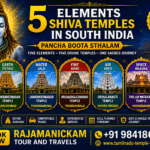
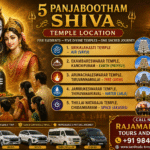
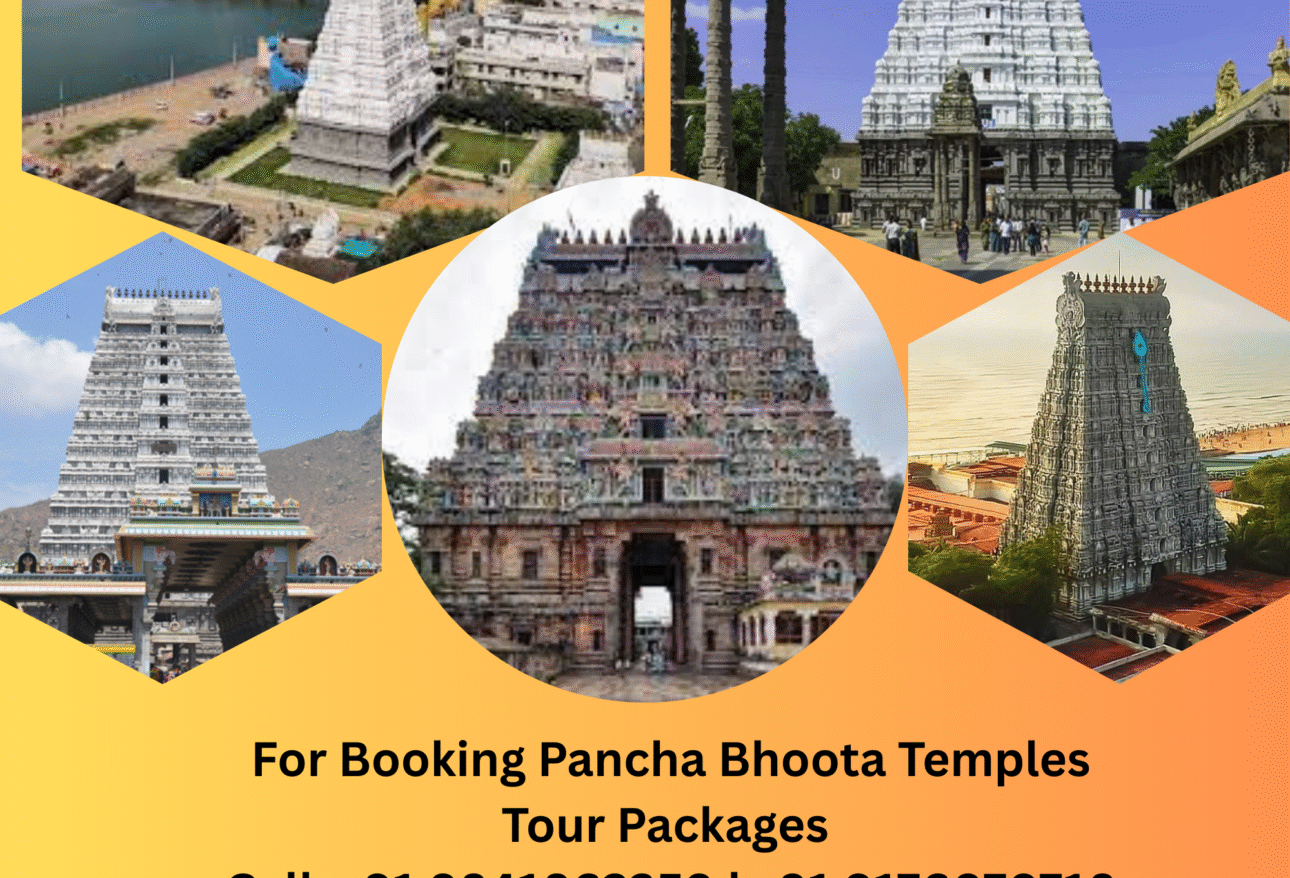
The Five Elemental Shrines of Shiva – A Complete Guide to the Pancha Bhoota Linga Temples If you’ve ever felt the earth beneath your feet, heard the wind whisper through the trees, watched a flame dance, listened to a river’s murmur, or sensed the boundless space above you, you’ve experienced the five elements that ancient Indian philosophy calls Pancha Bhoota – Earth, Water, Fire, Air and Ether (Space). In the Shaivite tradition these elements are each embodied by a linga (the iconic symbol of Lord Shiva) in a separate temple. Together they form the Pancha Bhoota Sthalam – a pilgrimage circuit that stretches across Tamil Nadu (and a dash of Andhra Pradesh) and offers a rare, tangible way to meditate on the very building blocks of the universe. Below is everything you need to know: the mythic origins, the architectural highlights, practical travel tips, and a handy checklist for completing the pilgrimage. Why the Pancha Bhoota Sthalam Matters Spiritual synthesis – Each linga teaches that Shiva pervades every facet of existence. Meditating on the five shrines is a fast‑track to understanding the unity of matter and consciousness. Architectural marvels – Built between the 7th and 14th centuries, the temples showcase Dravidian brilliance: towering gopurams, intricate stone carvings, and vibrant frescoes. Cultural immersion – Festivals (like Mahashivaratri, Karthigai Deepam, and Panguni Uthiram) turn these sites into living stages of music, dance, and ritual. Travel adventure – The circuit spans roughly 600 km, crossing bustling cities, serene riverbanks, forested hills, and coastal plains – a perfect road‑trip for history‑buffs and nature lovers alike. The Five Temples – Quick Overview Edit S.No Element Temple ( Town ) State Distinct Iconic Feature 1 Earth (Prithvi) Ekambareswarar – Kanchipuram Tamil Nadu 12‑meter‑high “Moolavara” (root) lingam amid a massive banyan tree 2 Water (Appu) Jambukeswarar – Thiruvanaikaval Tamil Nadu Lingam forever dripping water from a concealed source 3 Fire (Agni) Annamalaiyar – Thiruvannamalai Tamil Nadu Annamalai Hill (the living lingam) and the spectacular Karthigai Deepam flame 4 Air (Vayu) Srikalahasti – Srikalahasti Andhra Pradesh Vayu lingam that sways with the breeze; famed Kannappa legend 5 Ether/Space (Akasha) Nataraja – Chidambaram Tamil Nadu Golden “Chidambara Rahasyam” (the secret of space) in the sanctum Deep‑Dive Into Each Shrine Below each temple’s story is paired with a short “what to see” list and a few practical notes for travelers. 1. Ekambareswarar Temple – Earth (Prithvi) – Kanchipuram Mythic RootsLegend says Parvati, seeking to marry Shiva, performed severe penance under a banyan tree. Moved by her devotion, Shiva manifested as an earth‑lingam (called Prithvi Linga) beneath the tree. The temple’s name “Ekambareswarar” translates to “Lord of the One Banyan”. What to See Four‑storey gopuram – the tallest in Kanchipuram, painted in vivid reds and golds. The massive banyan – over 300 years old, its roots cradle the lingam. Maha Mandapam – a pillared hall adorned with sculptures of the 27 Nayanmars (Shaiva saints). Kamakshi Amman Temple (just a stone’s throw away) – perfect for a combined pilgrimage. Visitor Tips Best time: Early morning (6–8 am) for cooler temps and fewer crowds. Dress code: Traditional attire; women may cover shoulders. Parking: Paid lot behind the western gate; a short 5‑minute walk to the main shrine. 2. Jambukeswarar Temple – Water (Appu) – Thiruvanaikaval (Trichy) Mythic RootsThe sage Vishwamitra meditated here, longing for a river to flow within the sanctum. Shiva obliged, making a perennial water stream flow over the lingam, hence the name “Jambu” (the water‑loving tree). What to See The ever‑dripping lingam – situated in a shallow pool; watch the water cascade continuously. Gold‑plated hall (Palliyarai) – where the deity’s sacred ornaments are displayed annually. The “Azhwar” shrine – a side sanctum dedicated to the Vaishnavite saint, showcasing the temple’s inclusive spirit. The river Kaveri – just 2 km away; a perfect spot for sunset reflections. Visitor Tips Season: Post‑monsoon (Oct‑Dec) when the water flow feels most vibrant. Photography: Allowed only in the outer courtyards; the inner sanctum is strictly no‑camera. Food: Try the local “Kuzhi Paniyaram” from street stalls near the temple entrance. 3. Annamalaiyar Temple – Fire (Agni) – Thiruvannamalai Mythic RootsAccording to the Skanda Purana, Shiva once appeared as an immense column of fire on Annamalai Hill to test the devotion of Brahma and Vishnu. The hill itself is now worshipped as a living lingam. What to See The massive gopuram (Nandhi Mandapam) – 66 meters tall, illuminated nightly. The “Girivalam” path – a 14‑km circumambulatory walk around the hill, especially vibrant on full‑moon nights. Karthigai Deepam (December) – a colossal flame lit atop the hill, visible for miles. The “Arunachaleswarar” shrine – the inner sanctum with a fire‑shaped lingam. Visitor Tips Accommodation: Plenty of ashrams and budget guesthouses; many offer prasad (holy food) to pilgrims. Footwear: Remove shoes before entering the hill path; sturdy walking shoes recommended. Timing: The temple opens at 5 am; the early aarti (prayer) is a moving experience. 4. Srikalahasti Temple – Air (Vayu) – Srikalahasti (Andhra Pradesh) Mythic RootsThe legend of Kannappa, a tribal hunter who offered his own eyes to Shiva out of love, is the heart of this shrine. The air lingam is said to be suspended in the sanctum, moving subtly with the wind—symbolising the invisible yet ever‑present Vayu. What to See The 18‑storey gopuram – a kaleidoscope of stonework, painted in turquoise and gold. The “Nandi” statue – a massive bronze bull that seems to “breathe”. The “Kshetra Sthalam” (holy pond) – where pilgrims take ritual baths. Kannappa’s shrine – a modest yet deeply moving sanctum honoring the devotee’s sacrifice. Visitor Tips Travel: The nearest railway station is Srikalahasti (SRKT); frequent buses connect to Tirupati (30 km away). Best season: Winter (Nov‑Feb) when the breezes are pleasant for the hill‑top walk. Local delicacy: “Bobbatlu” (sweet flatbread) sold at nearby stalls. 5. Nataraja Temple – Ether/Space (Akasha) – Chidambaram Mythic RootsHere Shiva is depicted as Nataraja, the cosmic dancer whose rhythmic movements create the universe. The sanctum contains the “Chidambara Rahasyam” – an empty space behind a curtain that represents Akasha, the all‑pervading ether. What to See The golden “Marmam” (the secret) – a brass plate with a gold leaf; lifting it reveals the hidden space. The “Thillai Nataraja” bronze idol – an artistic marvel of 1.35 m height, frozen mid‑dance. The 100‑pillared hall – covered with exquisite frescoes illustrating Shiva’s legends. The annual “Natyanjali” dance festival – a gathering of classical dancers from across India. Visitor Tips Timing: Arrive before 6 am for the “Thiruvempavai” (morning hymn) chanting. Dress: Traditional saree or dhoti recommended; the temple’s strict dress code is enforced. Nearby: The Pichavaram Mangrove Forest (45 km) makes a perfect day‑trip. Popular Pancha Bhoota Lingam

Arupadai Veedu Tour Package

Arupadai Veedu Tour Package Welcome to Arupadai Veedu Tour Package from Tamilnadu. Package starts from Various Location Such as Chennai, Trichy, Madurai, Coimbatore, Bangalore and Many More Destinations in India. Lord Murugan Arupadai Veedu Temples Tour Package Best Itinerary With Package Cost details Below Link, Kindly have click Here: Arupadai Veedu Tour from ChennaiArupadai Veedu Tour from TrichyArupadai Veedu Tour from MaduraiArupadai Veedu Tour from CoimbatoreArupadai Veedu Tour from Bangalore For Enquiry with Booking Arupadai Veedu Tour Package Pl Call or Whats App: +91 9176070718 , E Mail: rajamanickamtours@gmail.com

Tamil God Murugan

Tamil God Murugan Lord Murugan, the son of Shiva and Parvati, is a much revered deity of Hindus especially in South India. He is known by various names like Murugan, Shanmukha (Shanmuga), Subramanian, Shadanana, Guha, Senthil, Saravana, Kumaraswamy and Skanda. Murugan is quintessentially brave, intelligent, and perfection personified because of which he is worshiped as the god of war and victory. He is also the brave leader of god’s forces and was created to destroy demons, symbolizing negative tendencies of human beings. In North of India, Murugan, also called Kartikeya, is believed to be the elder son of Shiva and Parvati but his devotees in South believe him to be the younger son with Ganesha being the elder offspring of Shiva and Parvati.

Lord Shiva

Lord Shiva Shiva is the “destroyer of evil and the transformer” within the Trimurti, the Hindu trinity that includes Brahma and Vishnu. In Shaivism tradition, Shiva is the Supreme being who creates, protects and transforms the universe. In the tradition of Hinduism called Shaktism, the Goddess, or Devi, is described as supreme, yet Shiva is revered along with Vishnu and Brahma. A goddess is stated to be the energy and creative power (Shakti) of each, with Parvati (Sati) the equal complementary partner of Shiva. He is one of the five equivalent deities in Panchayatana puja of the Smarta tradition of Hinduism.

Lord Vinayaka

Lord Vinayaka Lord Vinayaka (Ganesha) is one of the five prime hindu deities. He is the son of Lord Shiva and Goddess Parvati and the brother of Lord Kartikeya (Skanda / Subramaniya / Muruga). He was born of Parvati’s body elements. The idols and temples of Lord Vinayaka are found all over the world. In the South Indian villages there are many temples exclusively for the worship of Vinayaka but there is no village where he does not exist. He is considered as the first God to be worshiped.

God Parvathi Devi

God Parvathi Devi Parvati is the wife of the Hindu god Shiva – the protector, the destroyer (of evil) and regenerator of the universe and all life. She is the daughter of the mountain king Himavan and queen Mena. Parvati is the mother of Hindu deities Ganesha and Kartikeya. The Puranas also referenced her to be the sister of the preserver god Vishnu and the river goddess Ganga.

Lord Vishnu

Lord Vishnu Vishnu is one of the principal deities of Hinduism, and the Supreme Being in its Vaishnavism tradition. Vishnu is the “preserver” in the Hindu trinity (Trimurti) that includes Brahma and Shiva. In Vaishnavism, Vishnu is identical to the formless metaphysical concept called Brahman, the supreme, the Svayam Bhagavan, who takes various avatars as “the preserver, protector” whenever the world is threatened with evil, chaos, and destructive forces His avatars most notably include Rama in the Ramayana and Krishna in the Mahabharata. He is also known as Narayana, Jagannath, Vasudeva, Vithoba, and Hari. He is one of the five equivalent deities worshipped in Panchayatana puja of the Smarta Tradition of Hinduism.

Famous Murugan Temples in Tamilnadu

Divine Dwellings: Exploring the Famous Murugan Temples in Tamilnadu Famous Murugan temples in Tamil Nadu are well-known across the region. Rajamanickam Travels offers a list of the top 25 Murugan temples for devotees to visit. Many come to these temples seeking blessings from the gods. Visiting these sacred sites brings comfort and spiritual peace. Devotees believe that worshipping at these temples grants divine blessings and good fortune.  Divine Abodes: Exploring the Famous Murugan Temples of Tamil Nadu Tamil Nadu, the land of ancient temples and rich cultural heritage, is particularly renowned for its vibrant devotion to Lord Murugan, the warrior-god son of Shiva and Parvati. Scattered across the state, majestic temples dedicated to Murugan dot hillsides, valleys, and coastal plains, each possessing its own unique legend, architecture, and spiritual significance. These temples aren’t just places of worship; they are living testaments to centuries of faith, art, and tradition, attracting millions of devotees every year. Exploring Tamil Nadu’s Sacred Spots: Famous Murugan Temples and Districts Besant Nagar Arupadai Veedu Murugan temple – Chennai Chennimalai Murugan temple – Erode Kundrathur Murugan temple – Chennai Kunnakudi Shunmuganathar temple – Sivagangai Kumarakottam Subramaniyar temple – Kanchipuram Mailam Murugan temple – Villupuram Maruthamalai Murugan temple – Coimbatore Pazhamudirchoolai Murugan temple – Madurai Palanimalai Muurgan temple – Dindigul Pugazhimalai Sri Arupadai Murugan temple – Karur Pachaimalai Subramaniya Swamy temple – Erode Siruvapuri Balamuurgan temple – Chennai Sikkal Singaravelan temple – Nagapattinam Swamimalai Muurgan temple – Thanjavur Thiuruporur Muurgan temple – Kanchipuram Thiruparankundram Murugan temple – Madurai Tiruchendur Muurgan temple – Tuticorin Thiruthani  Muurgan temple – Tiruvallur Vadaplaani Muurgan temple – Chennai Thirumanikundram  Rathnagiri Muurgan temple – Vellore Vallakottai Muurgan temple – Kanchipuram Vayalur Muurgan temple – Trichy Viralimalai Muugan temple – Pudhukottai Velimalai Kumara koil – Kanyakumari Thirumalai Kumaraswamy temple – Tirunelveli Visiting Tips and Practical Information Best times to visit are during major festivals from January to March or during cooler months from October to December. Public transport, including buses and trains, makes accessing most temples easy. Nearby accommodations range from simple guesthouses to luxurious hotels. Remember to dress modestly — shoulders and knees covered — and behave respectfully inside the temples. Experiencing the Divine: Visiting a Murugan temple in Tamil Nadu is a truly immersive experience. More than just seeing ancient architecture, it’s about participating in the vibrant culture and feeling the powerful energy of devotion. The rituals, the chanting, the vibrant colours, and the palpable faith create a profound connection with the divine. Whether you are a devout believer, a curious traveler, or an art enthusiast, the Murugan temples of Tamil Nadu offer a unique and unforgettable journey into the heart of South Indian spirituality and culture. So, plan your pilgrimage, immerse yourself in the divine atmosphere, and discover the magic of these sacred abodes. Discover the Sacred: Best Arupadai Veedu Tour Packages from Different Locations Click Here  : 4 Days Arupadai Veedu Tour Package from Chennai Click here : 5 Days Arupadai Veedu Tour Package Chennai Click Here : 5 Days Arupadai Veedu Tour Package from Trichy Click Here : Arupadai Veedu Tour Package from Madurai Click Here  : Arupadai Veedu Tour Package from Coimbatore Click Here : Arupadai Veedu Tour Package from Bangalore For enquiries about Tamil Nadu Temple Tour packages and specifically the Arupadai Veedu Tour package, please visit at Below Link www.Arupadaiveedutourpackage.com www.tamilnadu-temple-tour-packages.in Contact Us: +91 9841862359 | +91 9176070718 Whatsapp at : +919841862359 E mail: rajamanickamtours@gmail.com  | rajamajickamtravels@gmail.conm Conclusion Tamil Nadu’s Murugan temples are more than just places of worship—they are a vital part of Tamil history, art, and culture. From the majestic hills of Palani to the forested Pazhamudircholai, each site offers a unique spiritual experience. Visiting these sacred spaces allows us to connect with Tamil traditions and seek blessings from Murugan himself. Whether a devout pilgrim or curious traveler, exploring these temples enriches our understanding of Tamil heritage and spirituality. Plan your journey, embrace the devotion, and experience the divine spirit of Murugan.

Login