
Where are the 5 Pancha Bhoota Lingas in India

Exploring the Pancha Bhoota Lingas in India: Locations and Legends India, a land steeped in spirituality and ancient traditions, is home to countless sacred sites that draw millions of pilgrims each year. Among these, the Pancha Bhoota Lingas hold a special significance, representing the five primordial elements of nature—Earth, Water, Fire, Air, and Space. These five ancient Shiva temples are revered not only for their religious importance but also for their profound connection to the natural world. Join us on a spiritual journey as we explore these five sacred sites, each embodying a fundamental element of creation. What Are the Pancha Bhoota Lingas? According to Hindu mythology, the universe is composed of five basic elements known as Pancha Bhoota. These elements are the building blocks of all existence. Lord Shiva, the supreme deity of transformation, is worshipped in the form of lingas (aniconic representations) that symbolize each of these elements. Each temple is associated with a unique legend and offers a distinct spiritual experience. For devotees, visiting these temples is believed to bring balance, purification, and divine blessings by harmonizing the five elements within. 1. Earth (Prithvi) – Ekambareswarar Temple, Kanchipuram, Tamil Nadu The Ekambareswarar Temple, dedicated to the Earth element, is one of the largest and most ancient Shiva temples in India. Its legend speaks of Goddess Parvati, who, in deep penance, created a linga from sand under a mango tree to unite with Shiva. The temple’s main linga is made of sand, representing the Earth, and is said to have been worshipped by Parvati herself.Highlights: A 3,500-year-old mango tree in the temple courtyard, said to yield four different types of mangoes. A magnificent 59-meter gopuram (gateway tower) adorned with intricate sculptures. The temple tank, Shiva Ganga, is believed to have been created by Shiva. 2. Water (Jala) – Jambukeswarar Temple, Thiruvanaikaval, Tamil Nadu Representing the Water element, the Jambukeswarar Temple is located on the island of Srirangam in Trichy. The temple’s linga is submerged under a natural spring, symbolizing the omnipresence of water. Legend has it that a sage, Jambu, attained enlightenment here after witnessing an elephant worshipping a linga with water from the nearby Kaveri River.Highlights: The sanctum sanctorum is always filled with water, and priests perform rituals wearing wet clothes. The temple is also one of the 108 Divya Desams, sacred to Vaishnavites, making it a unique site of harmony between Shaivism and Vaishnavism. The annual Arudra Darshanam festival attracts thousands of devotees. 3. Fire (Agni) – Arunachaleswarar Temple, Tiruvannamalai, Tamil Nadu The Arunachaleswarar Temple, associated with the Fire element, is situated at the base of the sacred hill of Arunachala. According to mythology, Shiva manifested as a column of fire (Agni Linga) to settle a dispute between Brahma and Vishnu, proving his supremacy. The temple’s massive complex is a marvel of Dravidian architecture.Highlights: The annual Karthigai Deepam festival, where a giant lamp is lit atop the Arunachala hill, illuminating the entire region. The temple’s 66-meter gopuram is one of the tallest in South India. Devotees often perform Girivalam, a 14-km circumambulation of the Arunachala hill, as an act of penance. 4. Air (Vayu) – Srikalahasteeswara Temple, Srikalahasti, Andhra Pradesh The Srikalahasteeswara Temple, representing the Air element, is renowned for its self-manifested linga that is constantly touched by a natural draft of air. The temple’s name is derived from three devotees—a spider (Sri), a serpent (Kala), and an elephant (Hasti)—who worshipped Shiva here and attained liberation.Highlights: The linga inside the sanctum is never touched by human hands; even priests perform rituals from a distance due to the constant airflow. The temple is famous for Rahu-Ketu rituals, believed to alleviate astrological afflictions. Its stunning architecture, including a 120-foot gopuram, showcases the grandeur of Chola and Vijayanagara styles. 5. Space (Akasha) – Thillai Nataraja Temple, Chidambaram, Tamil Nadu The Thillai Nataraja Temple in Chidambaram represents the ethereal element of Space. Here, Shiva is worshipped as Nataraja, the cosmic dancer whose performance symbolizes the rhythm of the universe. The temple’s innermost sanctum, the Chidambara Rahasya, is an empty space covered by a golden veil, representing the formless, all-pervading nature of the divine.Highlights: The iconic Nataraja idol, depicting Shiva’s cosmic dance, is a masterpiece of Chola bronze art. The temple’s unique architecture includes a gold-roofed sanctum and five grand halls representing the five elements. The annual Ani Tirumanjanam festival draws devotees to witness the ceremonial bathing of the deity.  Best Pancha Bhoota Sthalam Tour Package List: A Complete Guide to the Five Lingas 2 Nights / 3 Days Pancha Bhoota Sthalam Tour Package from Chennai View Price 3 Nights / 4 Days Pancha Bhoota Temples Tour Package from Chennai View Price 4 Nights / 5 Days Pancha Bhoota Lingam Tour Package from Chennai View Price 3 Nights / 4 Days Pancha Bhoota Sthalam Tour Package from Bangalore View Price 3 Nights / 3 Days Pancha Bhoota Sthalam Tour Package from Tirupati View Price 3 Nights / 4 Days Pancha Bhoota Sthalam Tour Package from Trichy View Price A Pilgrimage of Harmony and Devotion Visiting the Pancha Bhoota Lingas is more than a religious journey—it’s an experience of connecting with the elemental forces that sustain life. These temples remind us of the profound interplay between nature and spirituality, encouraging reverence for the environment and inner peace. Whether you’re a seeker of divine blessings or a lover of India’s cultural heritage, a pilgrimage to these sacred sites offers a transformative experience that resonates deep within the soul. Travel Tips: The temples are located in South India, primarily in Tamil Nadu and Andhra Pradesh. Plan your visit during festivals for a vibrant cultural experience, but be prepared for crowds. Dress modestly and respect local customs while visiting these sacred sites. Embark on this sacred trail and discover the divine harmony of the five elements!

Where are the 5 Pancha Bhoota Lingas in India

Exploring the Pancha Bhoota Lingas in India: Locations and Legends

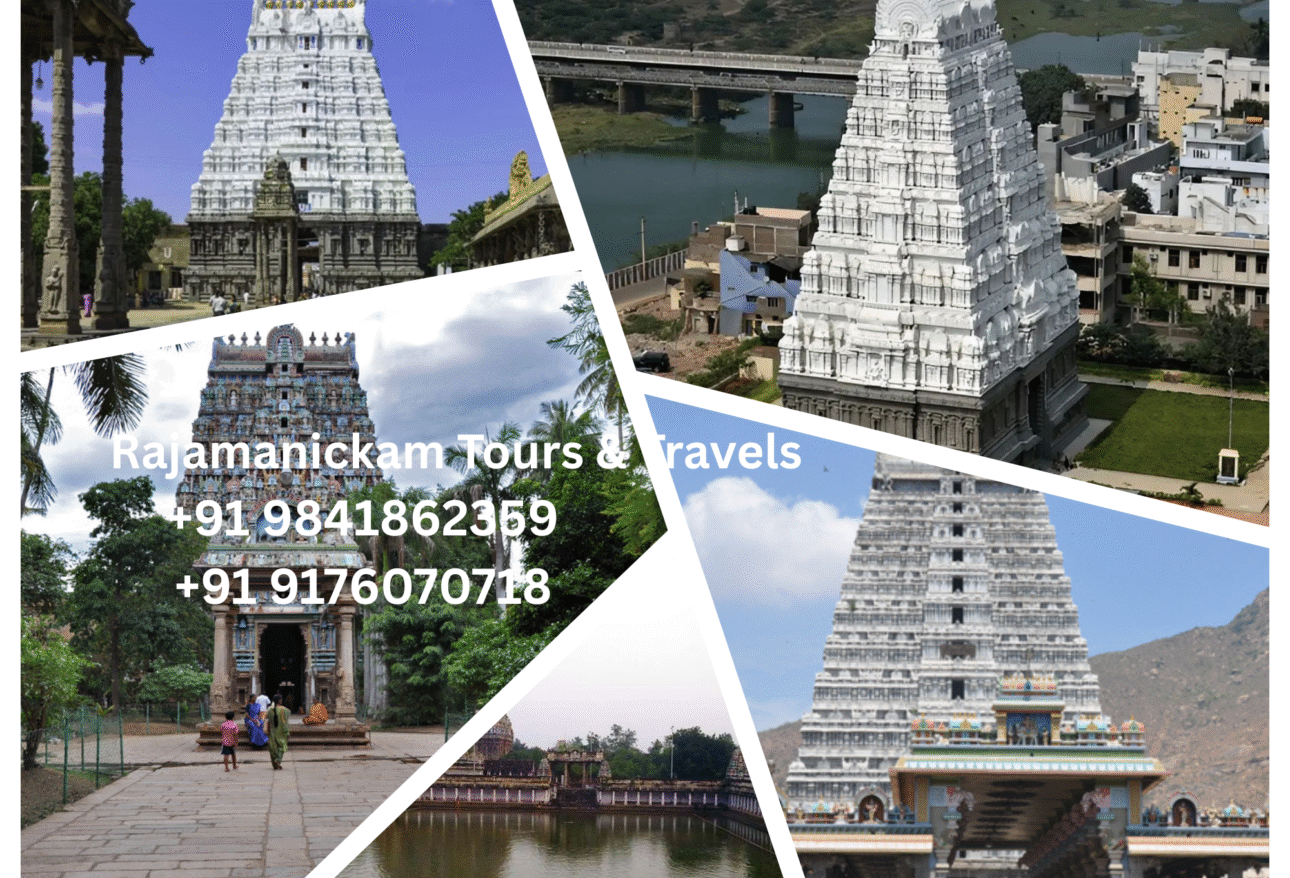
India, a land steeped in spirituality and ancient traditions, is home to countless sacred sites that draw millions of pilgrims each year. Among these, the Pancha Bhoota Lingas hold a special significance, representing the five primordial elements of nature—Earth, Water, Fire, Air, and Space. These five ancient Shiva temples are revered not only for their religious importance but also for their profound connection to the natural world. Join us on a spiritual journey as we explore these five sacred sites, each embodying a fundamental element of creation.

What Are the Pancha Bhoota Lingas?

According to Hindu mythology, the universe is composed of five basic elements known as Pancha Bhoota. These elements are the building blocks of all existence. Lord Shiva, the supreme deity of transformation, is worshipped in the form of lingas (aniconic representations) that symbolize each of these elements. Each temple is associated with a unique legend and offers a distinct spiritual experience. For devotees, visiting these temples is believed to bring balance, purification, and divine blessings by harmonizing the five elements within.
1. Earth (Prithvi) – Ekambareswarar Temple, Kanchipuram, Tamil Nadu
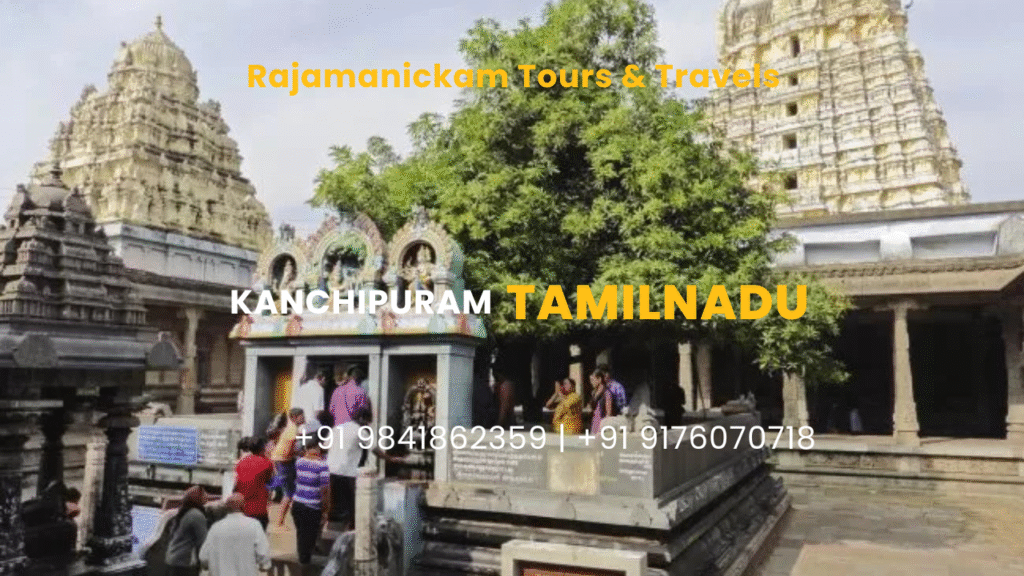
Kanchipuram Pancha Bhoota Sthalam

The Ekambareswarar Temple, dedicated to the Earth element, is one of the largest and most ancient Shiva temples in India. Its legend speaks of Goddess Parvati, who, in deep penance, created a linga from sand under a mango tree to unite with Shiva. The temple’s main linga is made of sand, representing the Earth, and is said to have been worshipped by Parvati herself.
Highlights:

  • A 3,500-year-old mango tree in the temple courtyard, said to yield four different types of mangoes.
  • A magnificent 59-meter gopuram (gateway tower) adorned with intricate sculptures.
  • The temple tank, Shiva Ganga, is believed to have been created by Shiva.

2. Water (Jala) – Jambukeswarar Temple, Thiruvanaikaval, Tamil Nadu
Tiruvanaikaval Pancha Bhoota Sthalam

Representing the Water element, the Jambukeswarar Temple is located on the island of Srirangam in Trichy. The temple’s linga is submerged under a natural spring, symbolizing the omnipresence of water. Legend has it that a sage, Jambu, attained enlightenment here after witnessing an elephant worshipping a linga with water from the nearby Kaveri River.
Highlights:

  • The sanctum sanctorum is always filled with water, and priests perform rituals wearing wet clothes.
  • The temple is also one of the 108 Divya Desams, sacred to Vaishnavites, making it a unique site of harmony between Shaivism and Vaishnavism.
  • The annual Arudra Darshanam festival attracts thousands of devotees.

3. Fire (Agni) – Arunachaleswarar Temple, Tiruvannamalai, Tamil Nadu

The Arunachaleswarar Temple, associated with the Fire element, is situated at the base of the sacred hill of Arunachala. According to mythology, Shiva manifested as a column of fire (Agni Linga) to settle a dispute between Brahma and Vishnu, proving his supremacy. The temple’s massive complex is a marvel of Dravidian architecture.
Highlights:

  • The annual Karthigai Deepam festival, where a giant lamp is lit atop the Arunachala hill, illuminating the entire region.
  • The temple’s 66-meter gopuram is one of the tallest in South India.
  • Devotees often perform Girivalam, a 14-km circumambulation of the Arunachala hill, as an act of penance.

4. Air (Vayu) – Srikalahasteeswara Temple, Srikalahasti, Andhra Pradesh

The Srikalahasteeswara Temple, representing the Air element, is renowned for its self-manifested linga that is constantly touched by a natural draft of air. The temple’s name is derived from three devotees—a spider (Sri), a serpent (Kala), and an elephant (Hasti)—who worshipped Shiva here and attained liberation.
Highlights:

  • The linga inside the sanctum is never touched by human hands; even priests perform rituals from a distance due to the constant airflow.
  • The temple is famous for Rahu-Ketu rituals, believed to alleviate astrological afflictions.
  • Its stunning architecture, including a 120-foot gopuram, showcases the grandeur of Chola and Vijayanagara styles.
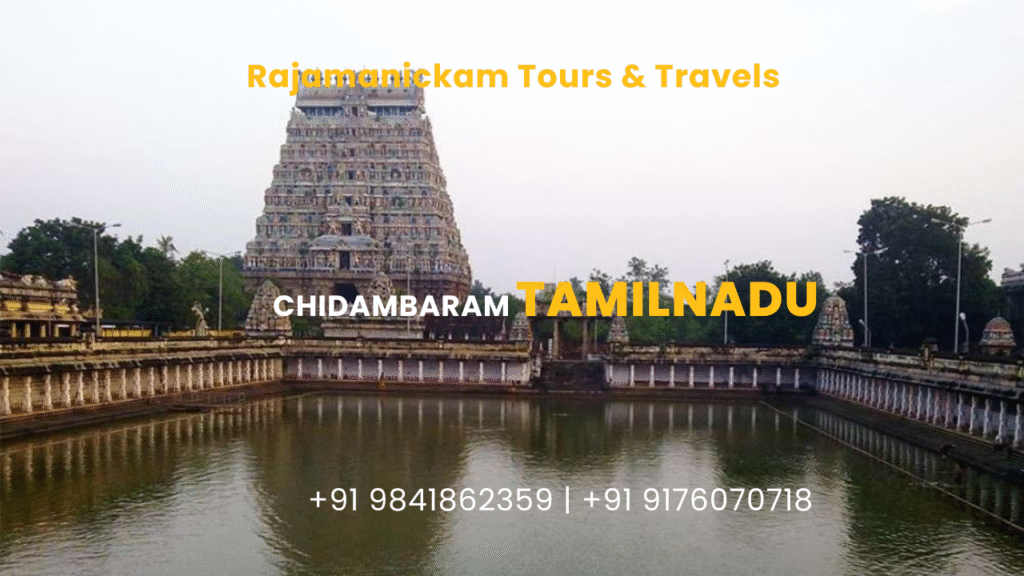
5. Space (Akasha) – Thillai Nataraja Temple, Chidambaram, Tamil Nadu

The Thillai Nataraja Temple in Chidambaram represents the ethereal element of Space. Here, Shiva is worshipped as Nataraja, the cosmic dancer whose performance symbolizes the rhythm of the universe. The temple’s innermost sanctum, the Chidambara Rahasya, is an empty space covered by a golden veil, representing the formless, all-pervading nature of the divine.
Highlights:

  • The iconic Nataraja idol, depicting Shiva’s cosmic dance, is a masterpiece of Chola bronze art.
  • The temple’s unique architecture includes a gold-roofed sanctum and five grand halls representing the five elements.
  • The annual Ani Tirumanjanam festival draws devotees to witness the ceremonial bathing of the deity. 
A Pilgrimage of Harmony and Devotion

Visiting the Pancha Bhoota Lingas is more than a religious journey—it’s an experience of connecting with the elemental forces that sustain life. These temples remind us of the profound interplay between nature and spirituality, encouraging reverence for the environment and inner peace. Whether you’re a seeker of divine blessings or a lover of India’s cultural heritage, a pilgrimage to these sacred sites offers a transformative experience that resonates deep within the soul.

Travel Tips:
  • The temples are located in South India, primarily in Tamil Nadu and Andhra Pradesh.
  • Plan your visit during festivals for a vibrant cultural experience, but be prepared for crowds.
  • Dress modestly and respect local customs while visiting these sacred sites.

Embark on this sacred trail and discover the divine harmony of the five elements!

Leave a Reply

Your email address will not be published. Required fields are marked *

Login